
Why I Stashed My Keys on an NFC Card — and Why You Might Too
Whoa!
I’ve been messing with hardware wallets for years, and the tangibility of a card still surprises me.
Most people picture a bulky device with a screen.
But a sleek card you tap? That felt like a small revolution, right out of the gate.
The first time I used one, my gut said this was different, and honestly, somethin’ about it clicked in a way words struggle to explain.
Seriously?
Yes — seriously.
There are trade-offs, and I want to be frank about them.
Initially I thought a card would be less secure than a metal device with a battery, but then I realized that attack surfaces shift rather than shrink, and that matters.
On one hand you reduce physical complexity; on the other, you add NFC-specific concerns that deserve attention.
Hmm…
My instinct said that convenience often sabotages security.
That suspicion held at first, though actually the card approach forces different user habits, which can be an advantage.
Let me walk you through what I liked, what bugged me, and where I’d still sleep with my keys under my pillow (figuratively).
I’ll be honest: I’m biased toward anything that makes cold storage feel less like a chore.
Okay, so check this out—
The experience of pairing a card with an app is immediate and almost pleasantly mundane.
You tap, the handshake happens, and your public keys show up in the app without wires.
That simplicity is seductive, and because it’s tactile, people tend to follow safer routines more often, though behavior varies a lot depending on the person and the use-case.
This is where the tangem card shines: the friction is low, and lower friction sometimes means fewer mistakes.
Really?
Yes — fewer mistakes in day-to-day operations.
But the threat model changes; you trade some isolation for convenience, and that trade isn’t inherently bad.
Think of it like pocket knives versus full toolboxes: each has a place, and each invites different user errors, which you should understand before choosing.
I keep returning to that point because it decides what problems you’ll face down the road.
Whoa!
From a developer and tinkerer perspective, NFC is stable and well-understood.
The cryptographic elements on these cards are often implemented in secure elements, which is the same class of hardware used in phones and banking cards, though details vary between manufacturers.
If you’re checking specs, look for certified secure elements and audited firmware, since a manufacturer’s claim alone doesn’t cut it — verify, or at least try to verify.
Honestly, that’s the step most folks skip: audits and firmware provenance are invisible, and that bugs me.
Hmm…
There’s also the app side to consider, and the tangem app ecosystem is worth calling out.
When an app mediates access to the card, you must trust both the app and the firmware; they form a chain where one weak link compromises the whole system.
On the positive side, a polished app can provide UX that reduces dangerous user workarounds, though of course apps get updated and change risk profiles over time.
My two cents: treat the app like any other software dependency — track updates, read release notes, and keep a test device if you can.
Really?
Yes — and practical recovery patterns matter a lot.
With many card-based wallets, the private key never leaves the card, and recovery often relies on seed phrases or backup cards.
Make sure you understand the recommended backup flow: some solutions endorse creating multiple physical cards as backups, while others rely on mnemonic phrases stored separately.
Both approaches have implications for loss, theft, and legal discovery scenarios that people rarely discuss aloud.
Whoa!
Practicality check: I tried using a card for both daily spends and long-term cold storage.
It handled daily small transactions like a champ; quick taps to the phone made small transfers painless, and that encouraged me to use it more responsibly.
For deep cold storage, though, I still favored an air-gapped approach with multiple backups in geographically separated places, because an NFC card is easy to lose or misplace in the real world.
On balance, it made me change habits — and that behavioral shift can be the real security win.
Hmm…
There are also supply-chain concerns that feel more personal than technical.
If a card is compromised at manufacture, detecting that compromise is extremely hard for an end user, and that threat is non-trivial for high-value holders.
So actually, wait—let me rephrase that: don’t treat a hardware wallet card like a magical black box; treat it like another component you examine and manage, and if somethin’ feels off in procurement, step back.
Buy from reputable sources, avoid second-hand hardware, and be wary of deals that seem too good.
Seriously?
Yes — procurement matters.
Also, consider your threat model: are you defending against a casual thief, a state actor, or accidental loss?
On one hand, the card protects against remote software exploits because the private key is isolated; though on the other hand, physical possession can be decisive, and then social engineering or coercion become real worries.
If you’re protecting meaningful sums, build redundant, compartmentalized strategies that don’t rely on a single point of failure.
Whoa!
Let me give a short checklist based on what actually changed my mind after weeks of real use.
First: verify firmware and prefer audited solutions.
Second: practice your recovery flow until it feels mechanical and not guesswork.
Third: treat the companion app like a critical part of the security stack.
Finally: consider multiple cards or hybrid setups if you hold large amounts — redundancy is underrated.
Check this out—
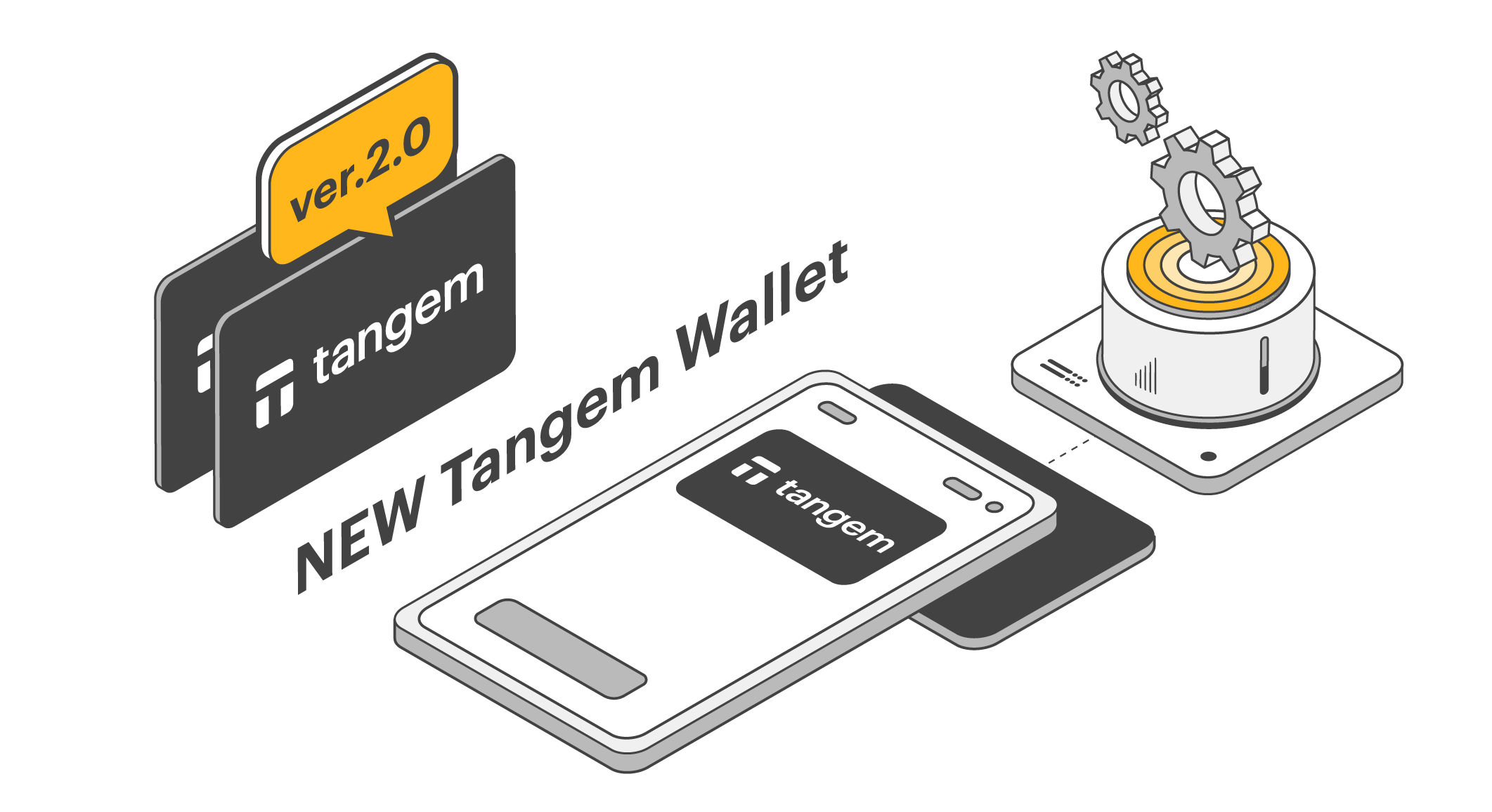
Where to start with a card wallet
If you want a hands-on introduction, the tangem card is a solid example to study because it combines secure element hardware with a consumer-friendly app experience.
Try it on a small amount first.
See how it fits your routine.
And don’t rush into moving large balances until you’ve practiced recovery and verified the chain of custody for the device — that advice saved me from a few stupid mistakes early on.
Hmm…
Final personal note: I’m not 100% sure any one form factor is the absolute best for everyone, and that uncertainty is okay.
What I know is this: card wallets lower friction, which often increases correct behavior, and that alone can improve security for many people.
That said, if you need air-gapped, ultra-long-term cold storage, pair cards with other strategies rather than rely on them exclusively.
I’m biased toward tools that people will actually use correctly, and cards fit that niche very very well for a surprising number of folks.
Common questions about card wallets
Are NFC card wallets as secure as hardware wallets with screens?
Short answer: they can be, but the attack surface is different.
Cards usually house secure elements that protect keys, but the security depends on firmware quality, app trustworthiness, and how you handle backups.
If you want to be cautious, use a layered strategy and don’t rely on a single device for everything.
What happens if I lose my card?
If you followed the recommended backup process — whether that’s a mnemonic phrase, backup cards, or both — you can recover funds.
If you didn’t, recovery may be impossible.
That’s why practice runs and documented procedures are worth their weight in gold.
